Route of the day
All points shown were part of the original itinerary. Not all were visited — decisions made along the way are a natural part of any expedition. We kept them on the map in case you wish to explore them yourself.
What we lived
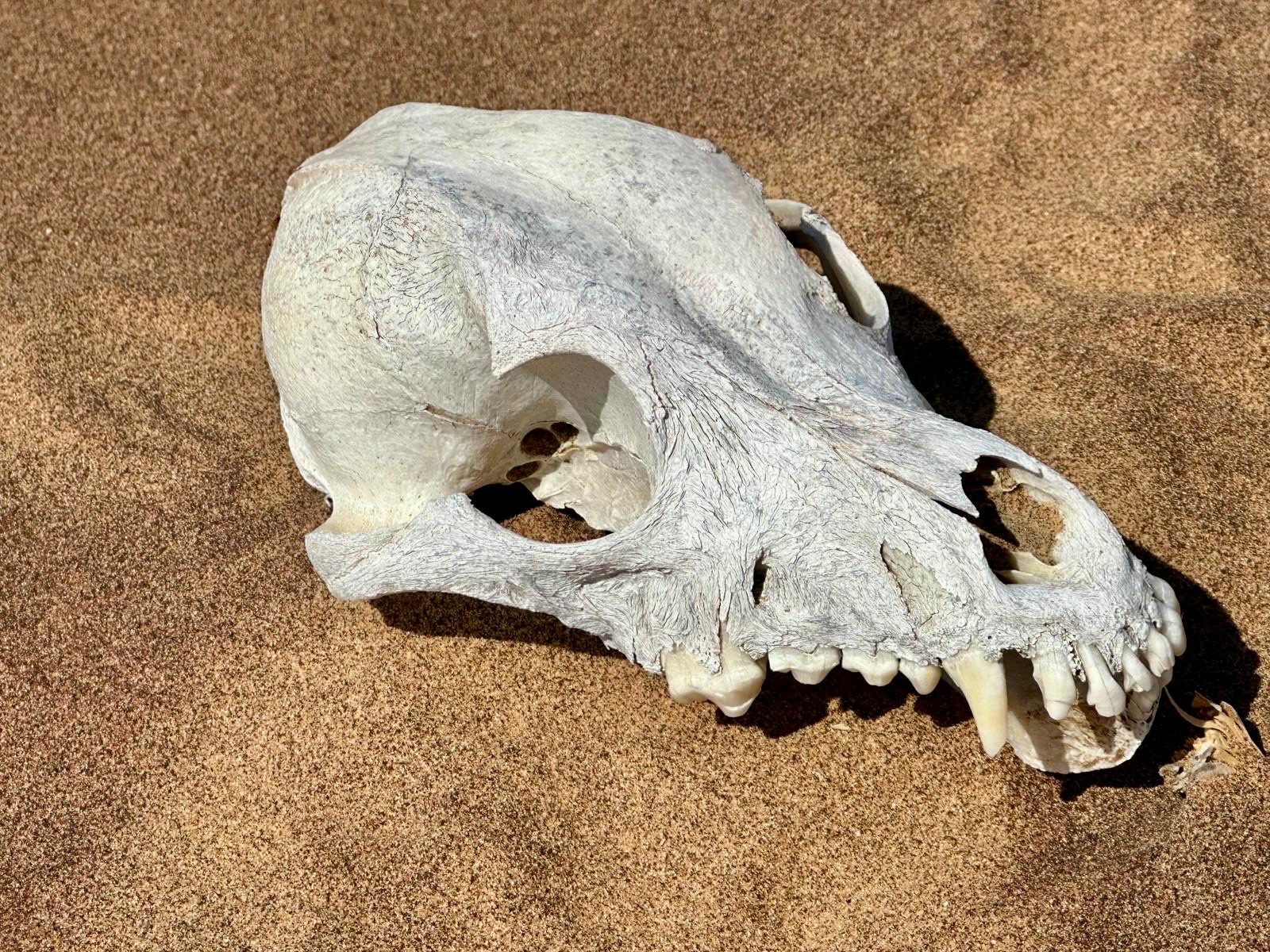
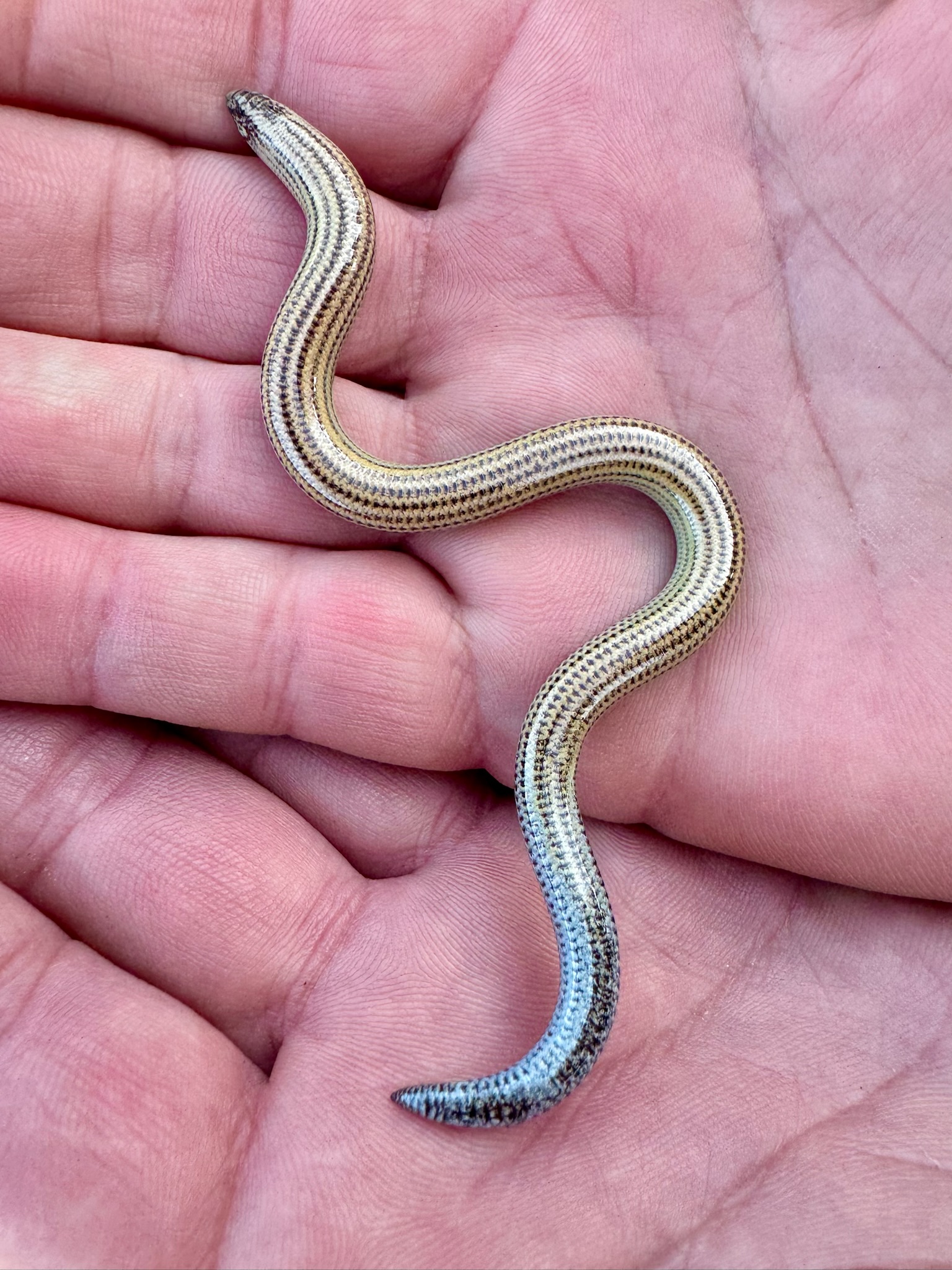
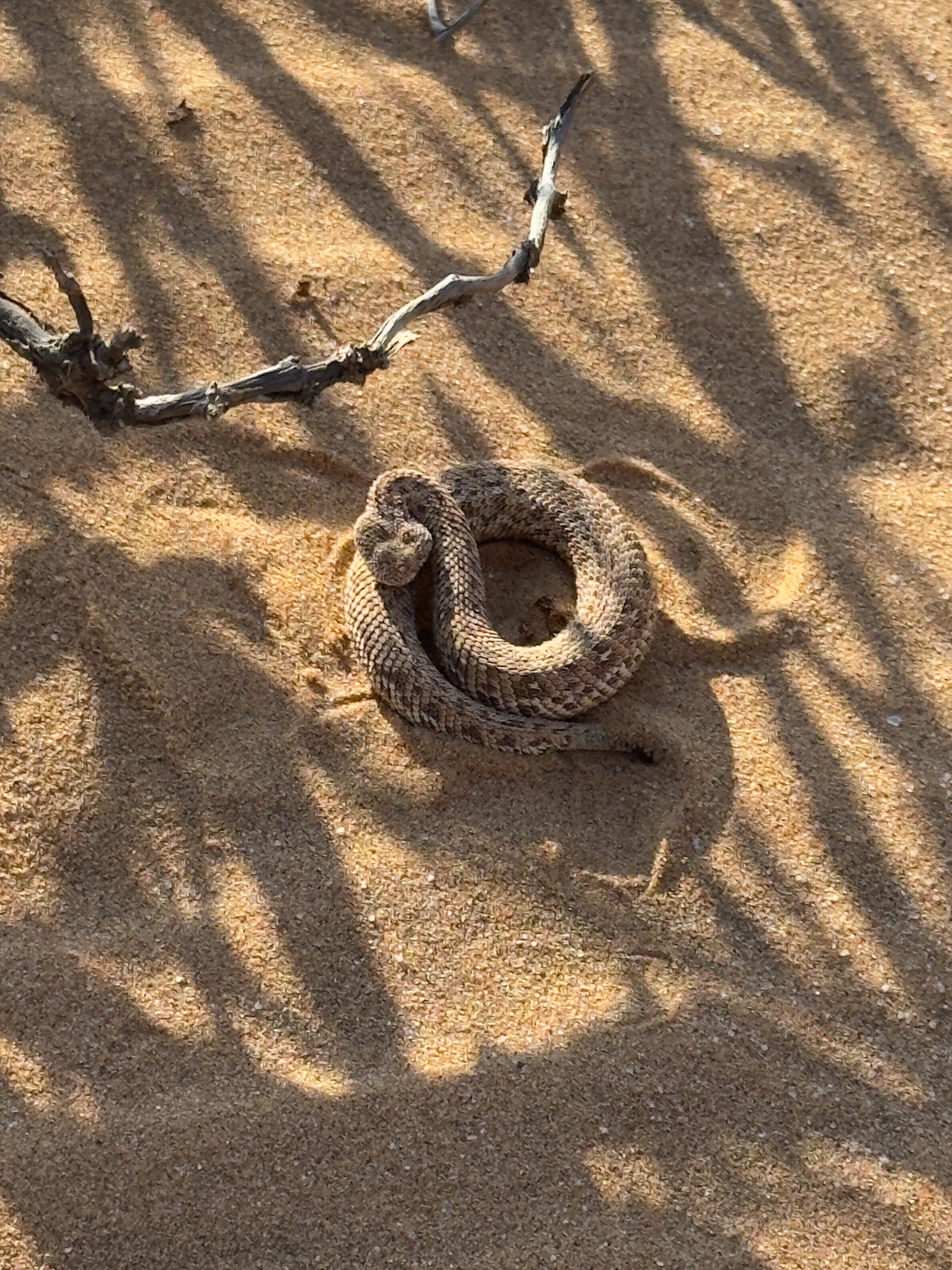
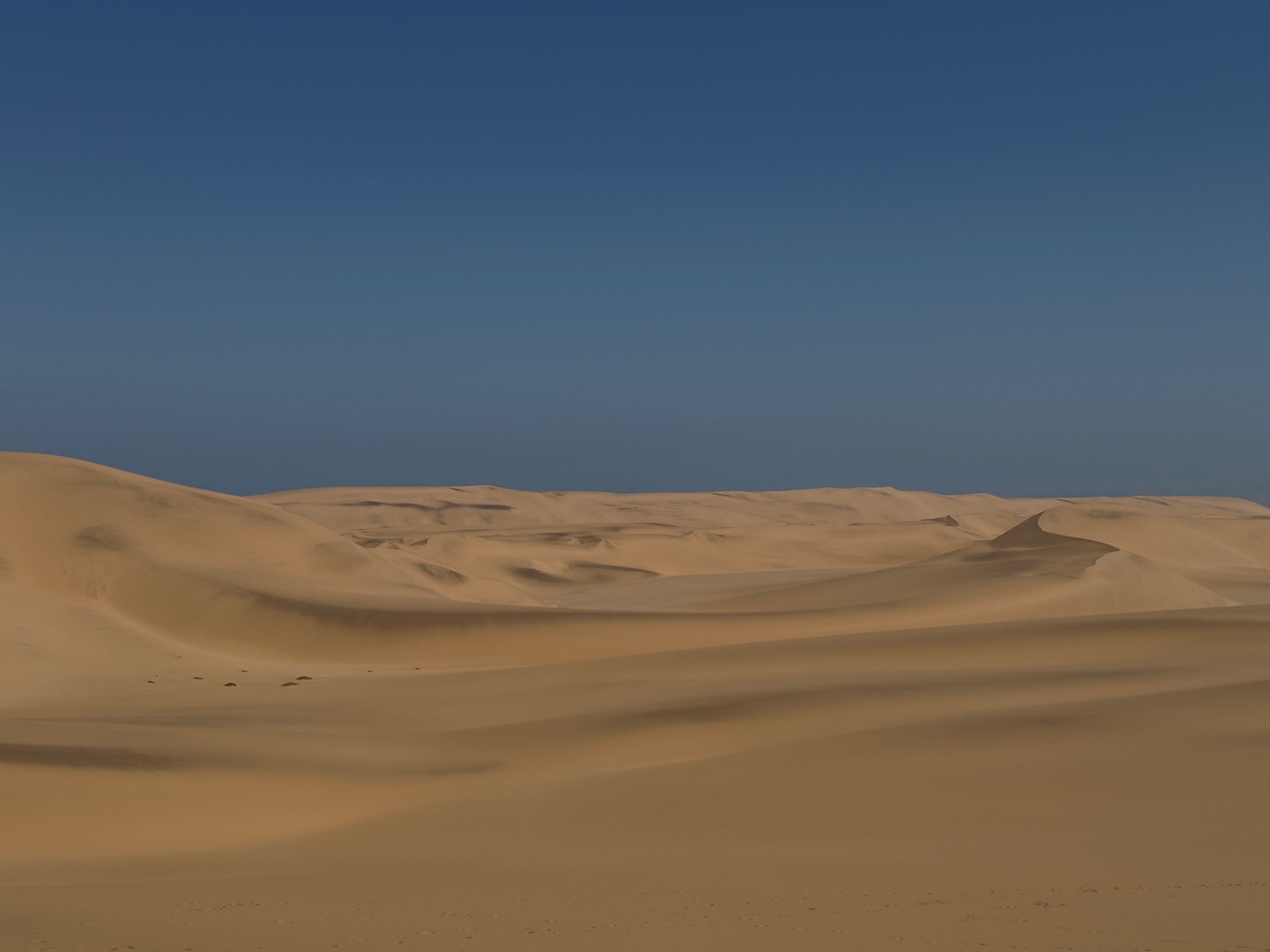
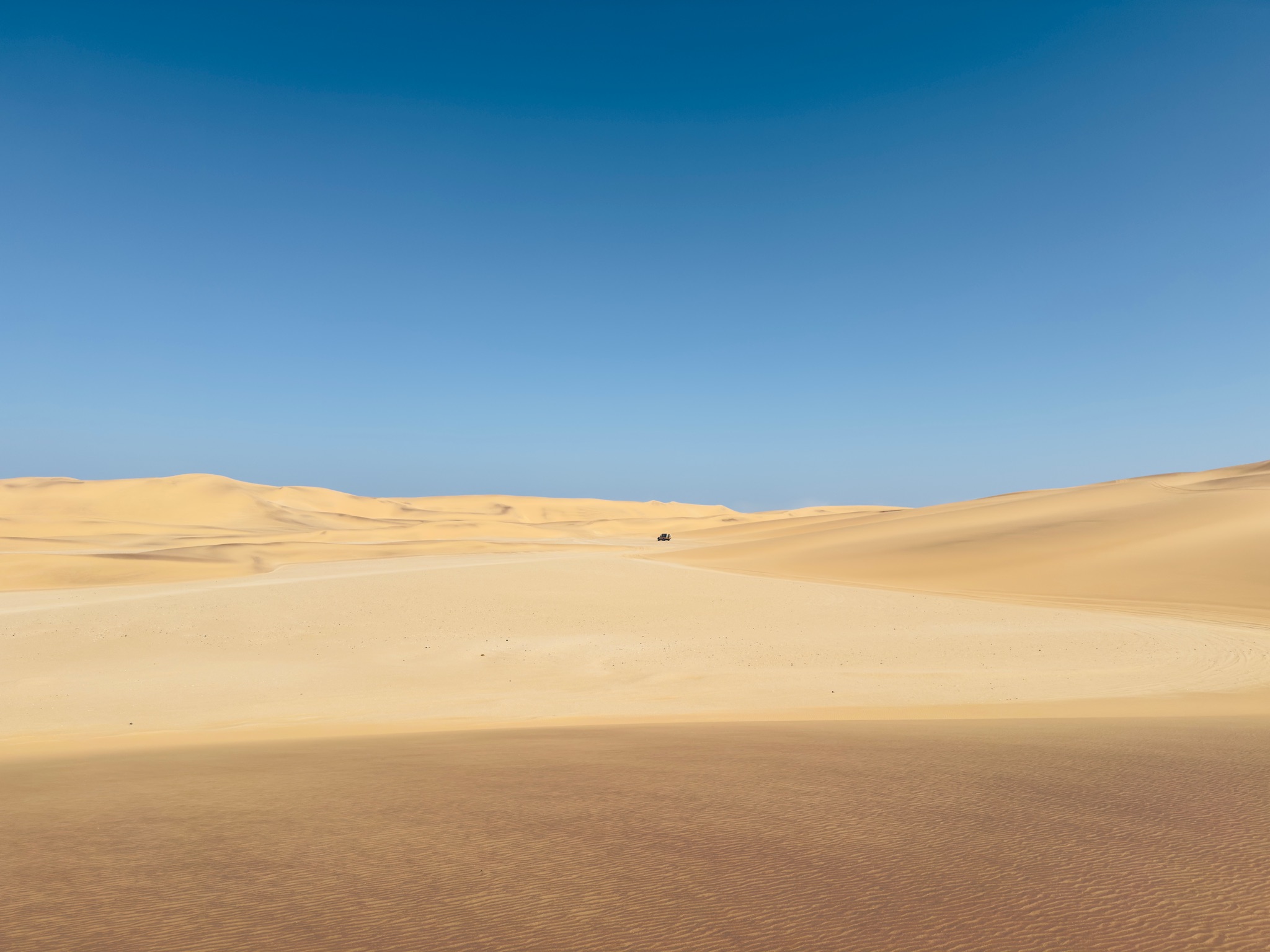
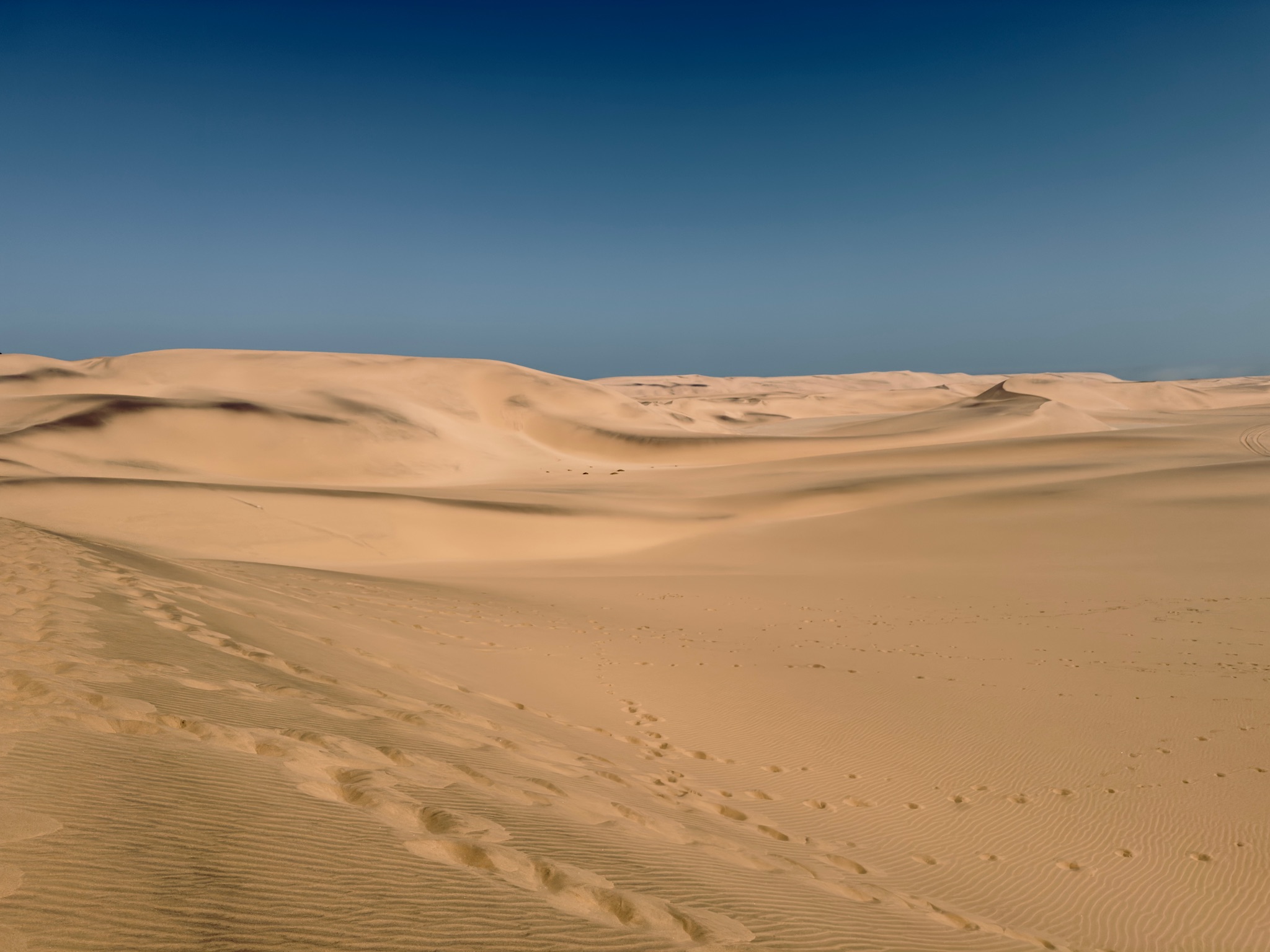
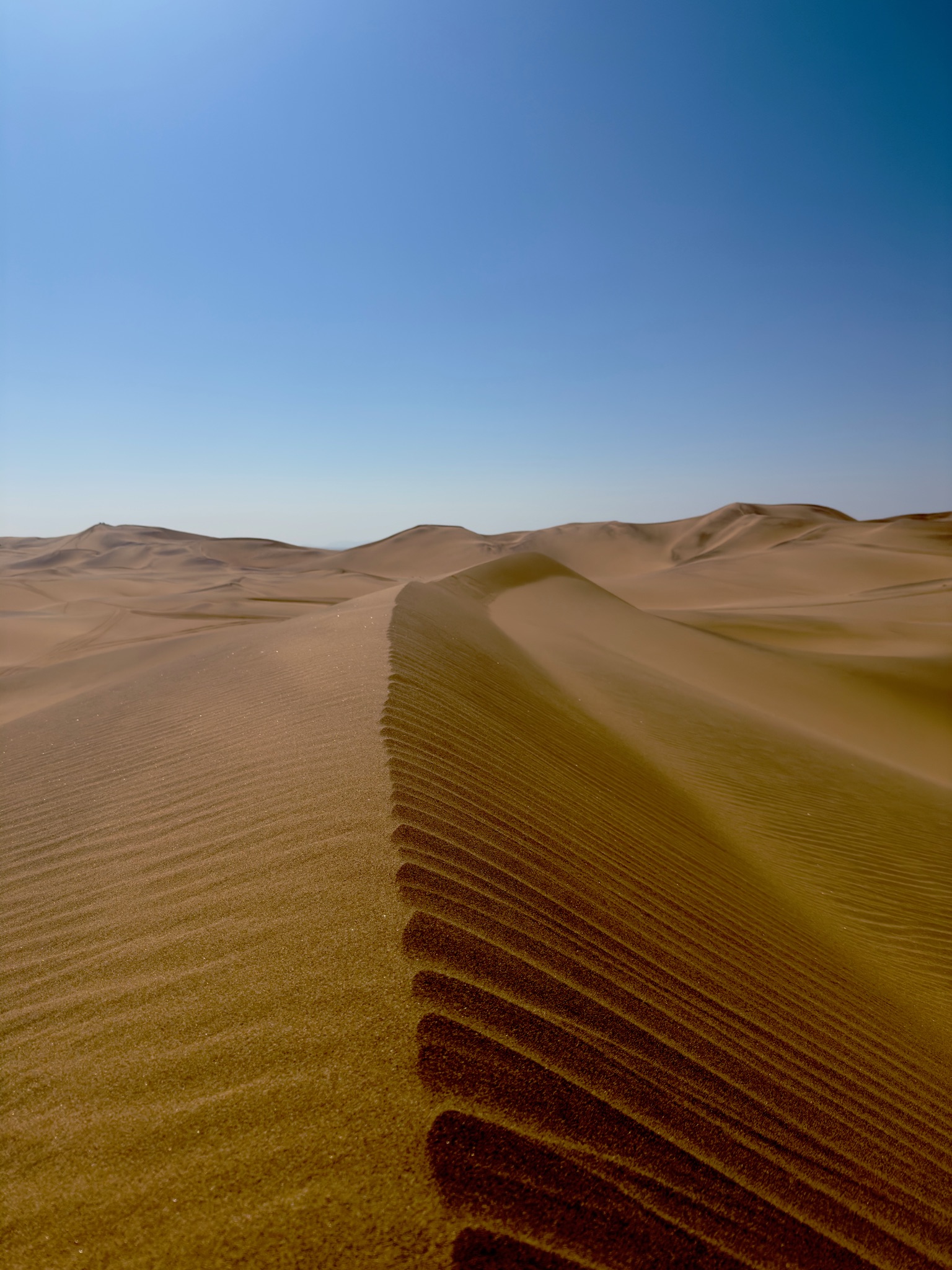
We were up early, breakfast made at the apartment and bags already in the car by eight — though before driving off in our own vehicles, we were collected by jeep for a guided trip into the Namib Desert in search of the Little Five. Two guides opened the experience with an overview of the desert ecosystem: how it formed, why it is the way it is, and how life manages to survive here at all. Then the tracking began.
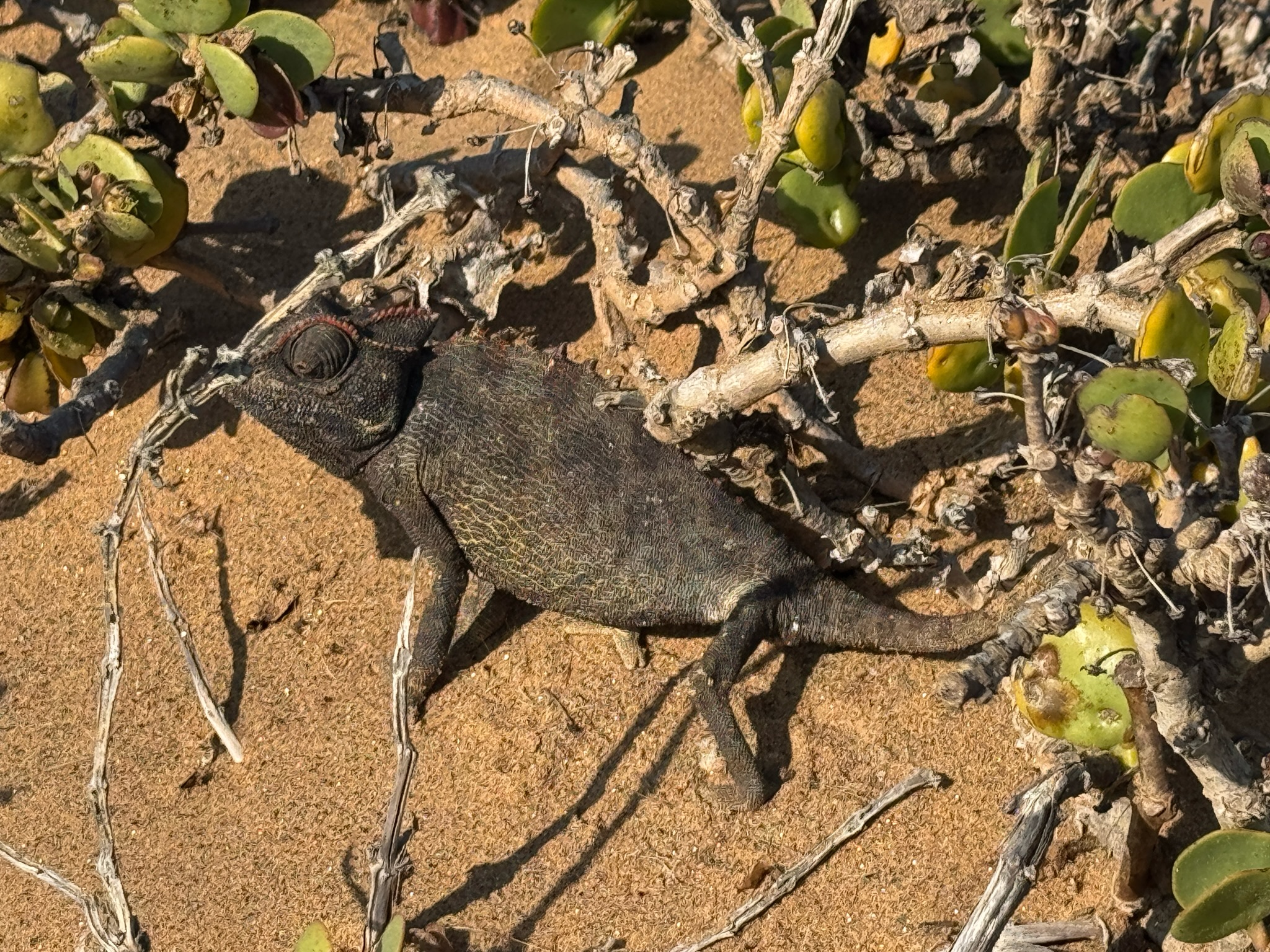
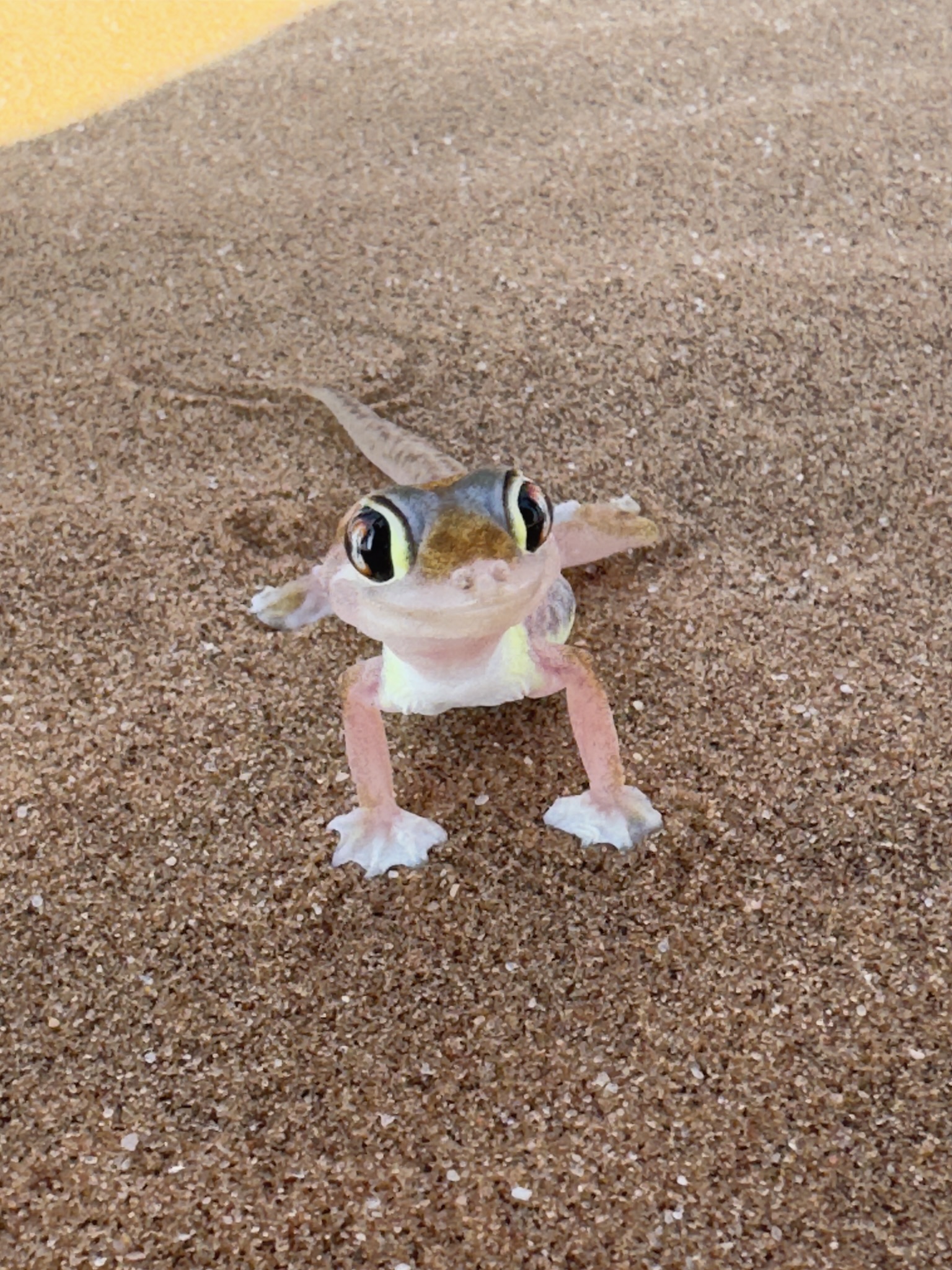
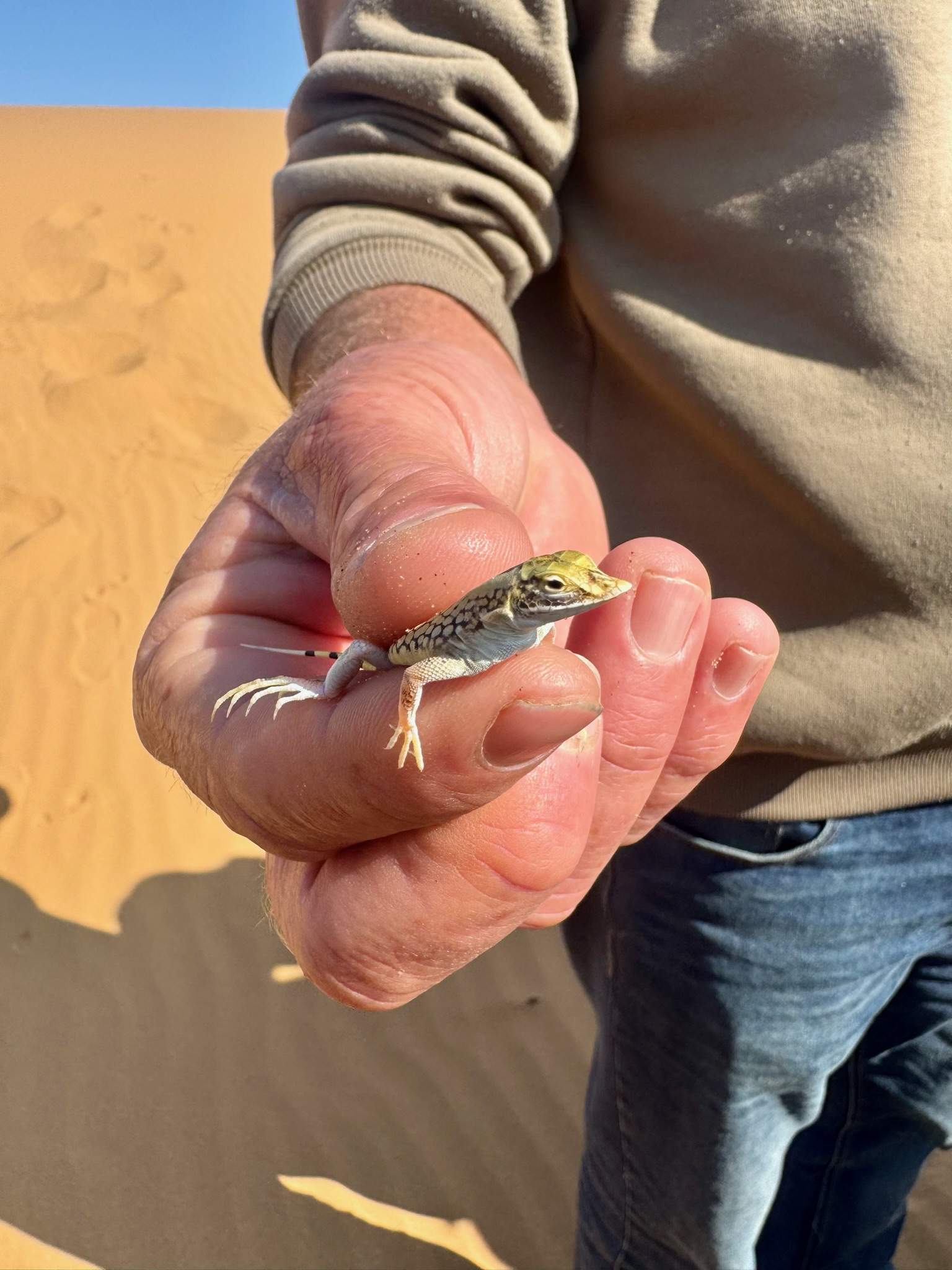
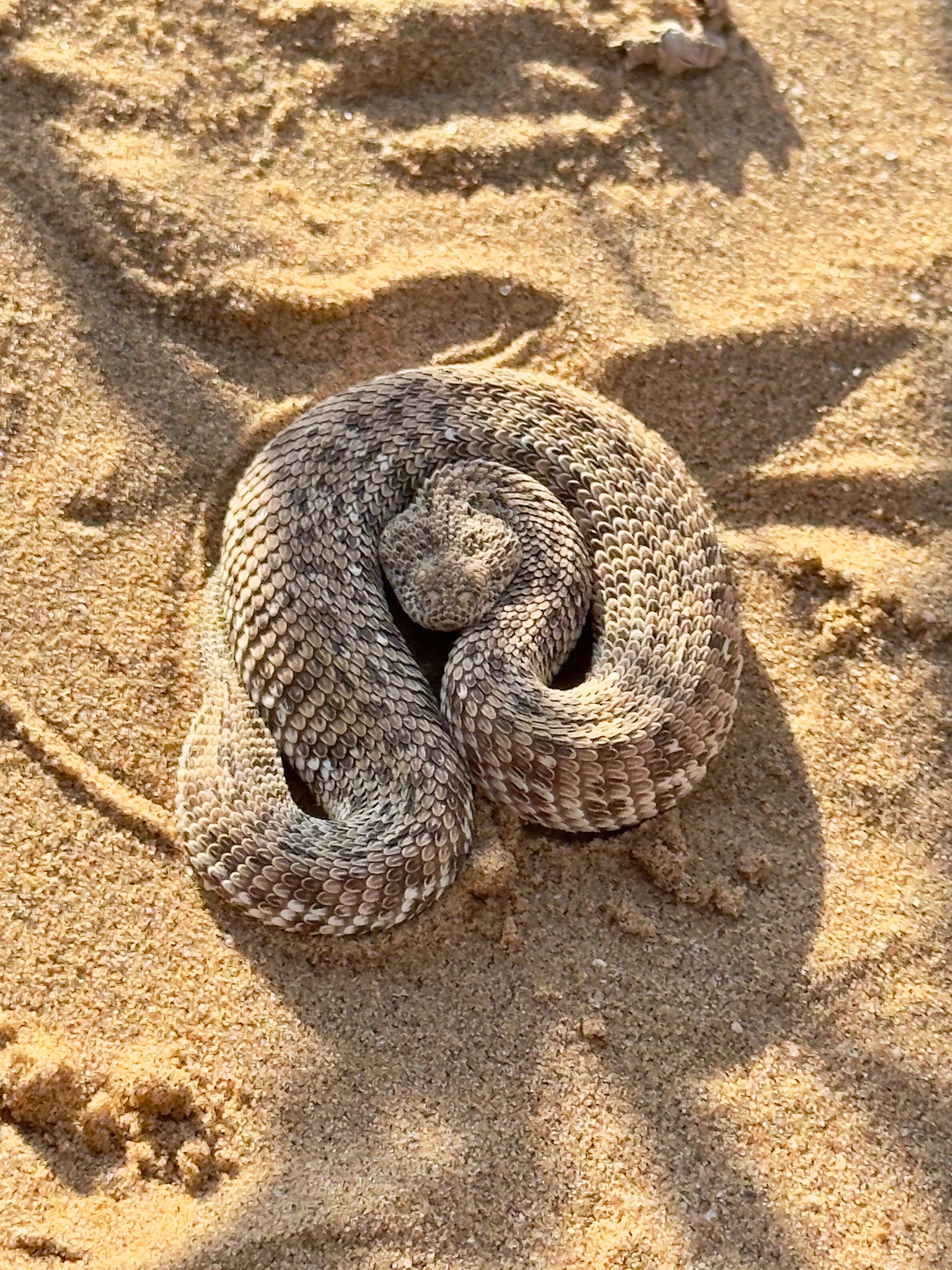
The Little Five of the Namib are the Namaqua Chameleon, the Shovel-Snouted Lizard, the Web-Footed Gecko, the Sidewinder Puff Adder, and the White Lady Spider. We found four of them. The guides were exceptional trackers — reading footprints in the sand to locate animals invisible to the rest of us — and each find came with a full explanation of how that creature survives the desert. The one that eluded us was the White Lady Spider.
The guides also demonstrated the magnetic properties of magnetite found within the sand, and explained why the dunes vary so dramatically in colour: older dunes are deep red because the iron in the sand oxidises over time, while younger dunes closer to the coast remain pale yellow, their iron not yet weathered. A detail that reframes everything you look at for the rest of the drive.
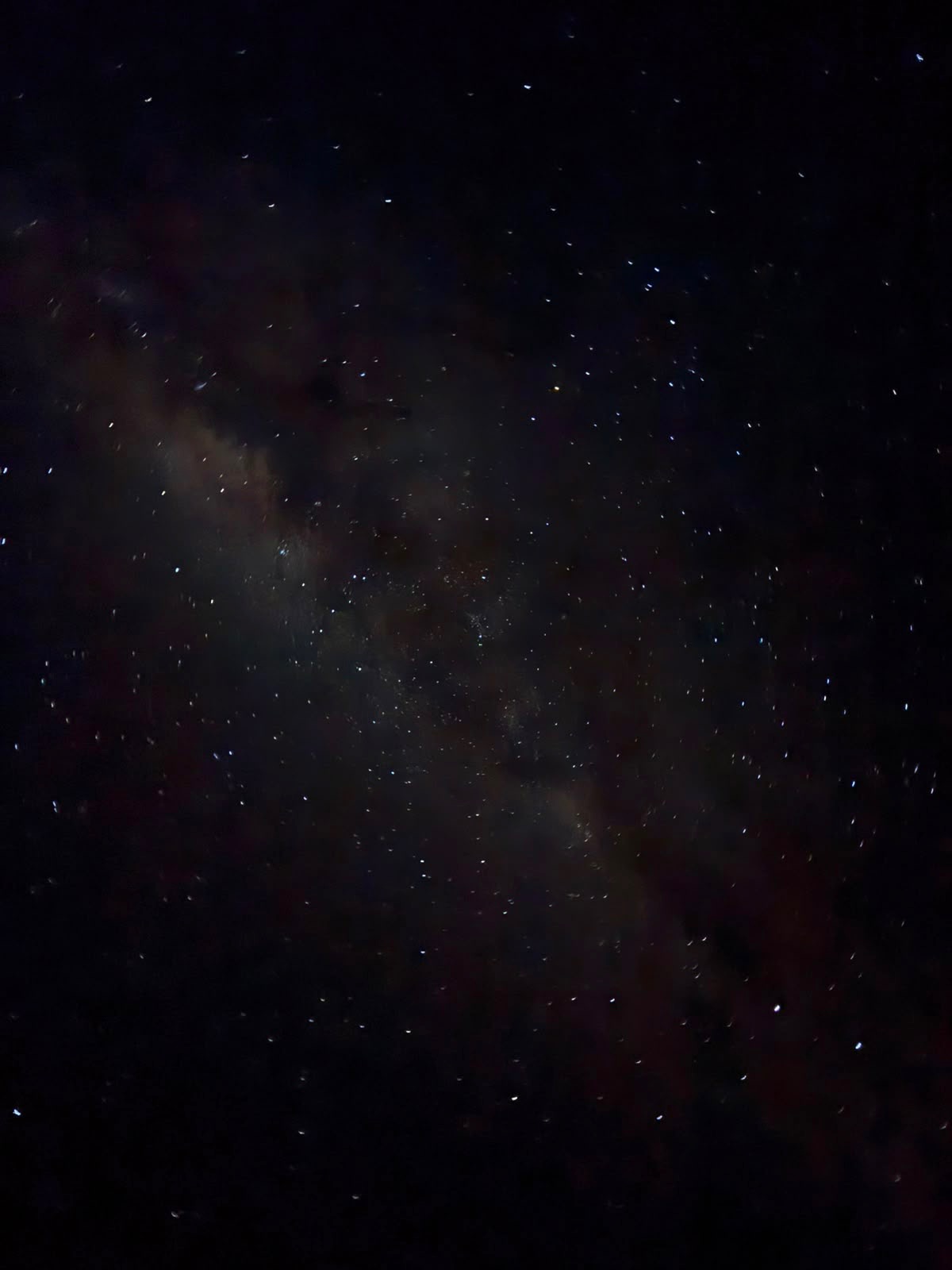
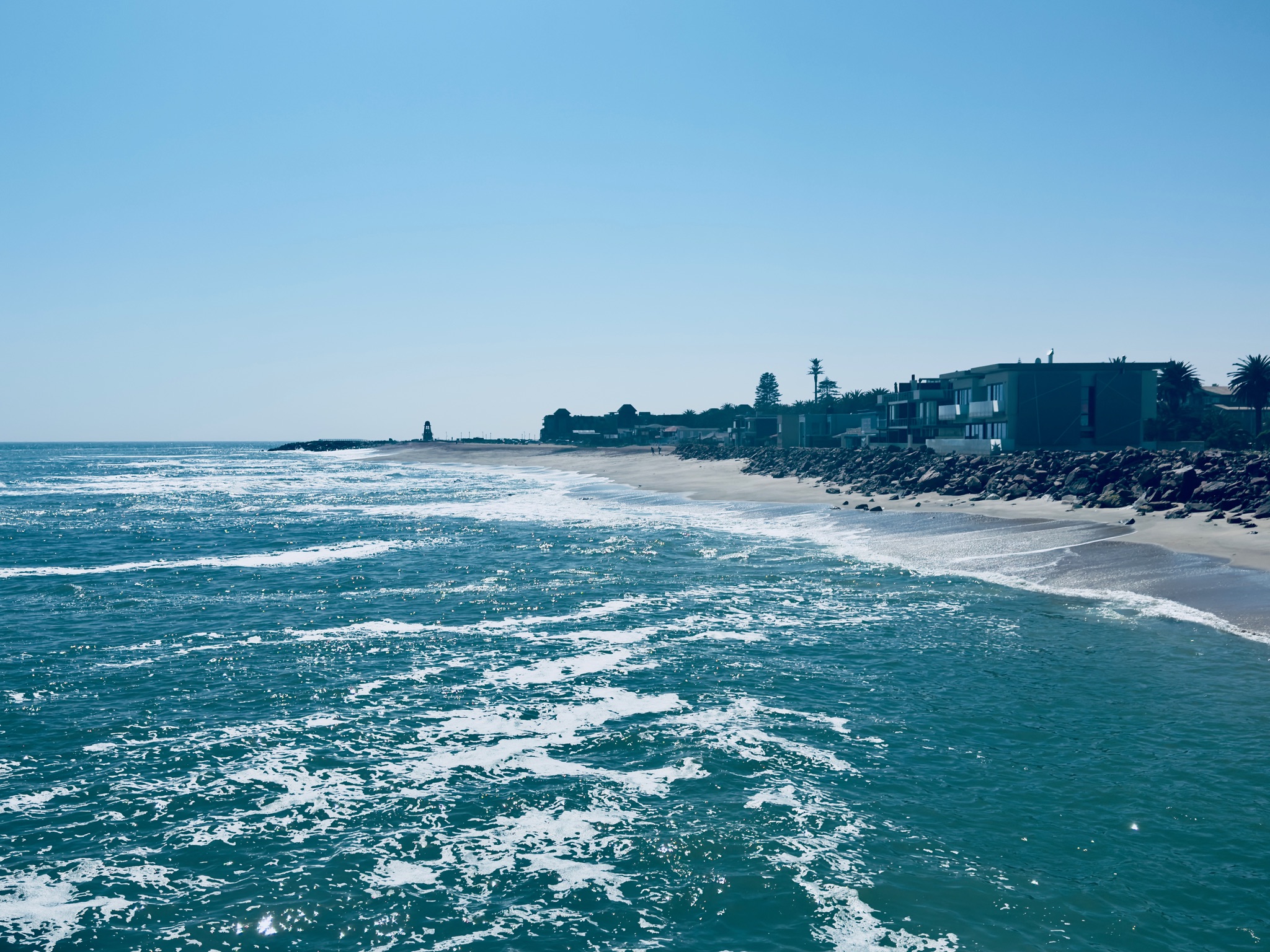
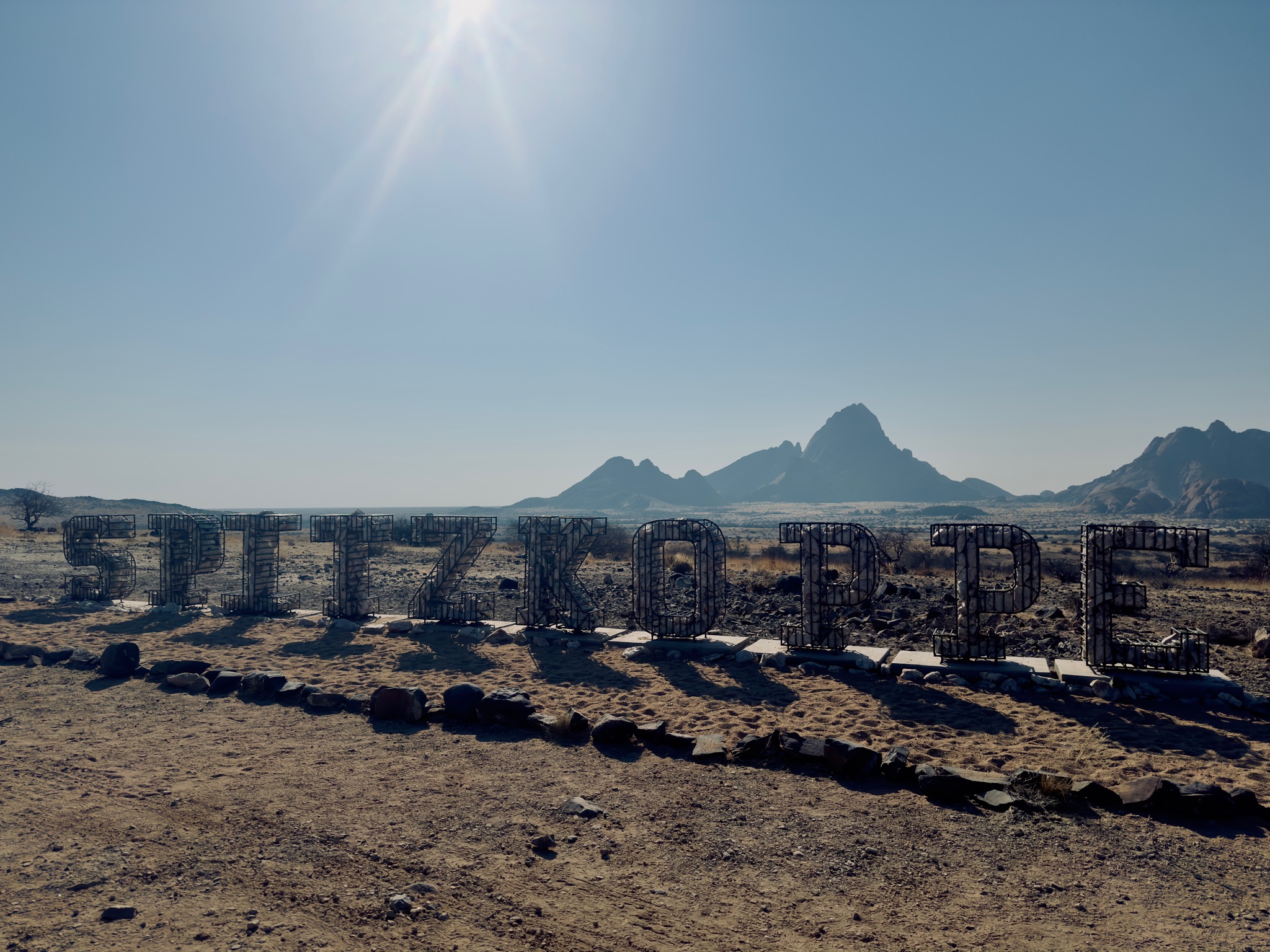
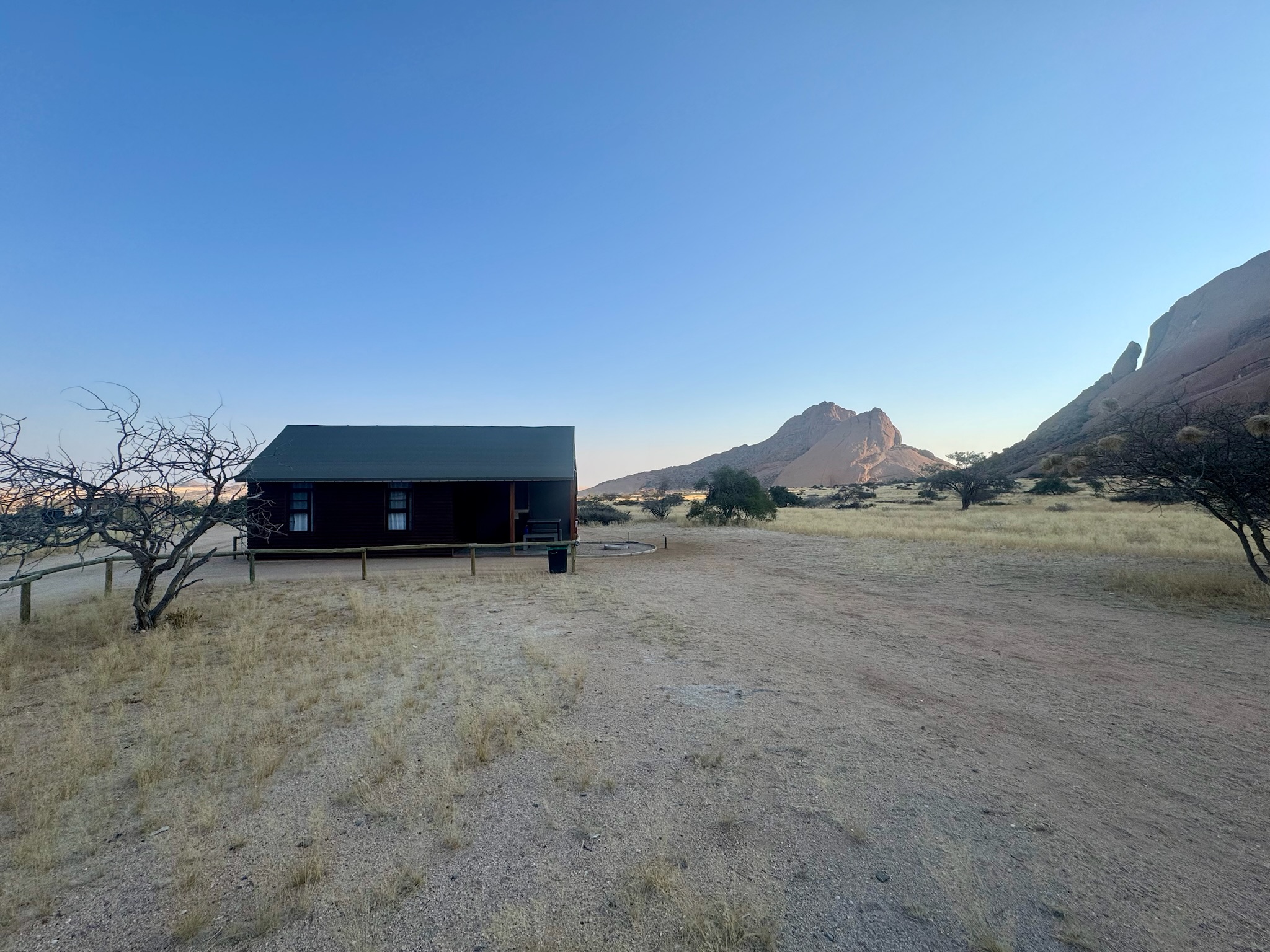
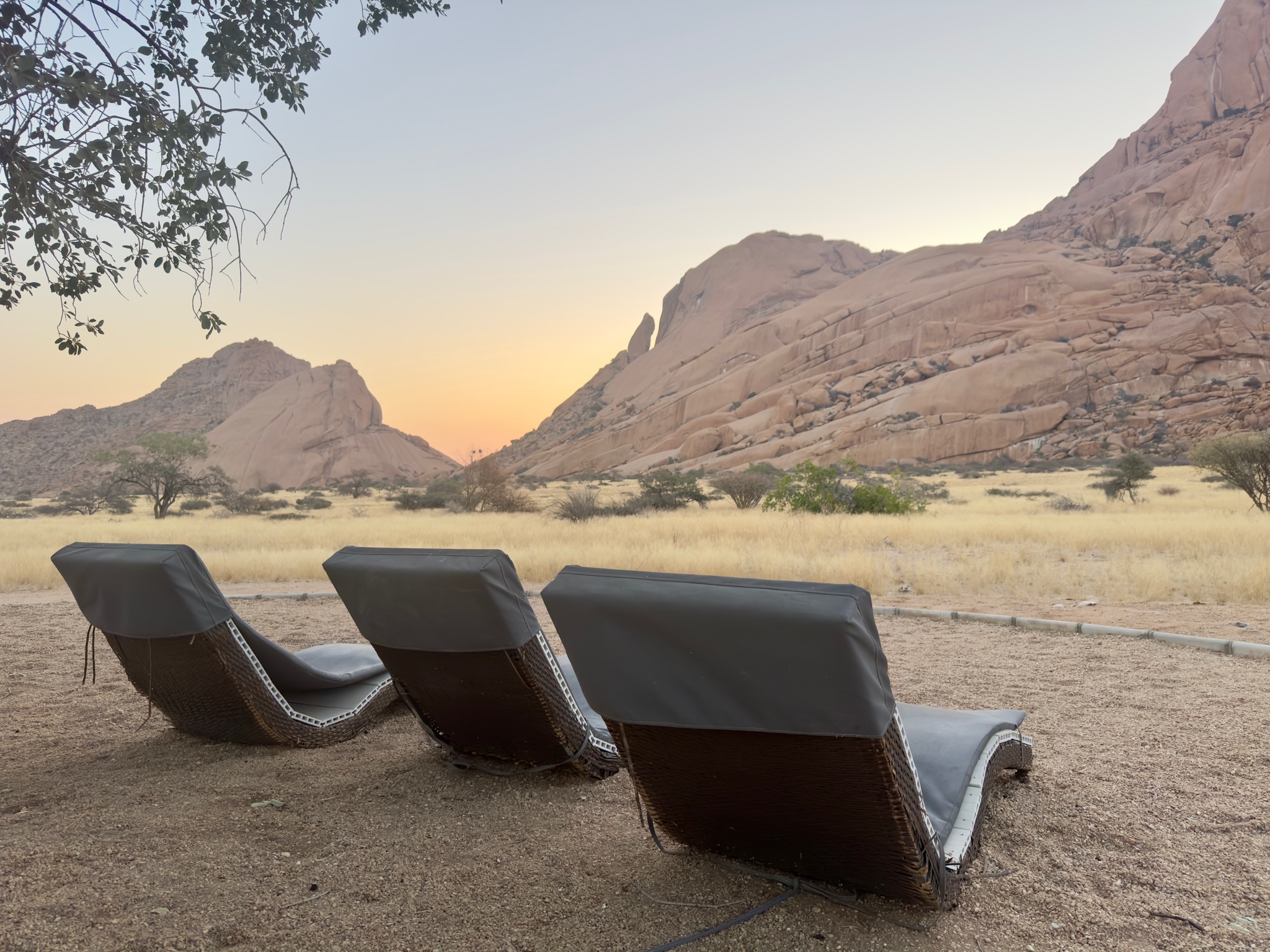
Back in our own cars, we had lunch by the sea near the Tug Restaurant, refuelled, and set off for Spitzkoppe. Our accommodation there was a self-catering campsite with shared grills and bathrooms — but instead of tents, we slept in surprisingly comfortable and well-appointed cabins. We cooked dinner on the communal grills, ate at the park's outdoor tables, and ended the day with a bonfire under the Southern Hemisphere sky. The stars at that latitude, away from any light pollution, are something else entirely.
Photo of the day
Video
Video
Gallery
Our tips
The Living Desert tour departs from Swakopmund — book in advance as it fills up. Go as early as possible: the animals are easier to spot in the cooler morning hours before they retreat underground. The Spitzkoppe campsite cabins are far more comfortable than they look from the outside — a pleasant surprise after a long drive.
Did you know?
The Shovel-Snouted Lizard, one of the Namib's Little Five, has developed a remarkable way of dealing with sand that can reach over 70°C at the surface: it performs a "thermal dance," lifting alternate pairs of feet off the ground to cool them down, switching every few seconds. It looks almost comic — until you consider that without it, the lizard would simply burn. Each of the Little Five has evolved an equally specific adaptation to survive one of the harshest environments on Earth.
Tomorrow we head to...
Day at Spitzkoppe